Appearance
CBD Gummies: The Insider's Guide to Finding Quality Products That Actually Work

As someone who's spent a decade consulting with CBD manufacturers and retailers, I've witnessed the evolution of the CBD industry from its early Wild West days to today's more regulated marketplace. My background in product formulation and quality assessment has given me a front-row seat to what makes CBD products effective—and what's just marketing hype. This guide distills what I've learned helping hundreds of clients find products that work for their specific needs. Quality matters tremendously in CBD, and understanding what separates effective products from ineffective ones can save you both money and disappointment.
Key Takeaways
- CBD gummies offer a convenient, precisely dosed delivery method that masks the natural hemp flavor many find off-putting
- Always verify third-party lab testing with current Certificates of Analysis that confirm cannabinoid content and purity
- Different formulations (full-spectrum, broad-spectrum, or isolate) produce different effects—the choice should match your specific wellness needs
- Consult healthcare providers before starting CBD, especially if you take medications, as CBD can interact with certain drugs
What Are CBD Gummies?
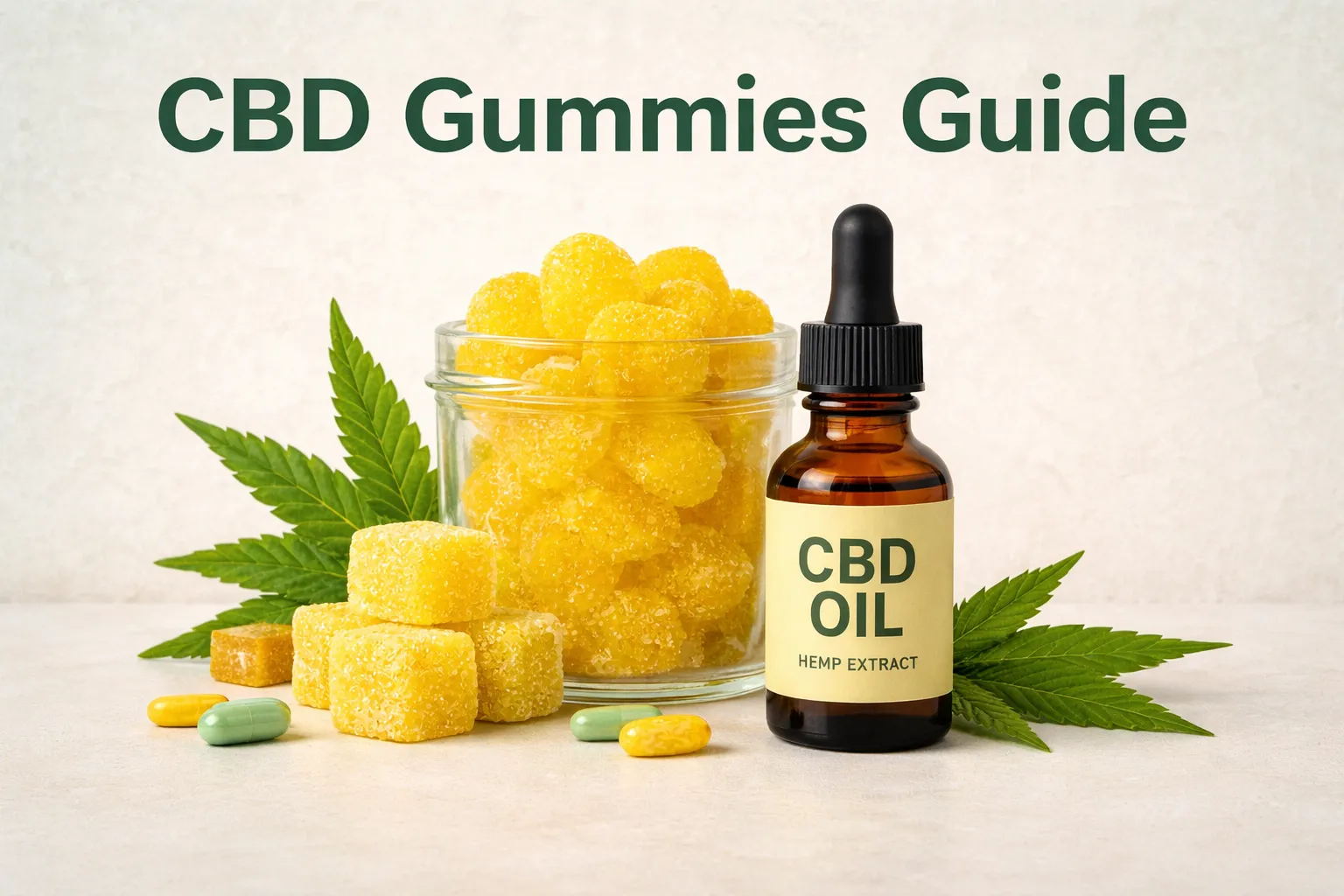
CBD gummies are edible candies infused with cannabidiol (CBD), a non-psychoactive compound extracted from hemp plants. Unlike traditional cannabis edibles containing THC, properly manufactured CBD gummies won't cause intoxication. These chewy treats combine the familiar format of gummy candy with measured doses of hemp extract, making them an approachable option for CBD newcomers.
I've watched CBD gummies transform from niche products to mainstream wellness options over the years. What separates quality gummies from subpar ones isn't just the CBD content—it's the extraction methods, additional ingredients, and manufacturing standards. The best products use premium hemp extract in a clean gummy base, while lower-quality options often contain artificial ingredients, inconsistent CBD levels, or hemp of questionable origin.
The Science Behind CBD
CBD works primarily by interacting with your endocannabinoid system (ECS), a complex network of receptors throughout your body that helps maintain homeostasis. The ECS regulates numerous functions including mood, sleep, pain perception, and immune response. When explaining this to clients, I often compare the ECS to a master regulatory system with CB1 receptors (primarily in the brain and central nervous system) and CB2 receptors (predominantly found in immune cells and peripheral tissues).
Unlike THC, CBD doesn't directly bind to these receptors. Instead, it works indirectly, influencing how your naturally produced endocannabinoids interact with receptors and inhibiting enzymes that break down these compounds. CBD also affects other non-endocannabinoid receptors involved in pain signaling, inflammation, and mood regulation.
How CBD Gummies Work in Your Body
When you eat a CBD gummy, the digestive process fundamentally changes how CBD enters your system compared to methods like vaping or sublingual tinctures. The gummy travels through your digestive tract, where the CBD gets metabolized by your liver before entering your bloodstream—a process called first-pass metabolism. This explains why gummies take longer to produce effects, typically 30-90 minutes depending on factors like your metabolism and whether you've eaten recently.
This slower absorption actually creates an advantage: longer-lasting effects. While sublingual CBD might wear off after 2-3 hours, gummies often provide relief for 4-6 hours. I've found this particularly valuable for clients with chronic conditions who need sustained effects rather than rapid onset. One client with persistent back pain discovered that taking a 25mg CBD gummy with breakfast provided more consistent relief throughout her workday than taking multiple doses of CBD oil.
Individual metabolism greatly affects your response to CBD gummies. What works for one person won't necessarily work for another, which is why finding your optimal dose often requires some trial and error.
Understanding CBD Spectrum Options
One of the most crucial decisions when selecting CBD gummies is choosing between full-spectrum, broad-spectrum, or isolate products. This choice significantly impacts both effectiveness and experience.
Full-spectrum CBD contains all the naturally occurring compounds from the hemp plant, including trace amounts of THC (less than 0.3%), other cannabinoids, terpenes, and flavonoids. These components work together through what scientists call the "entourage effect," potentially enhancing CBD's benefits. In my experience, full-spectrum products typically provide more robust effects for pain and sleep issues, though they do carry a slight risk of THC detection in drug tests.
CBD isolate contains only pure CBD with all other compounds removed. It's flavorless and contains absolutely no THC, making it appropriate for those with THC sensitivities or who undergo regular drug testing. However, without supporting compounds, isolate products may require higher doses to achieve similar effects.
Broad-spectrum falls between these options, offering multiple cannabinoids and terpenes while removing THC. This provides some entourage effect benefits without THC concerns.
| Type | Contains | Best For | Considerations |
|---|---|---|---|
| Full-Spectrum | CBD, minor cannabinoids, terpenes, ≤0.3% THC | Maximum therapeutic effect, chronic pain | Possible drug test issues, more pronounced flavor |
| Broad-Spectrum | CBD, minor cannabinoids, terpenes, no THC | Enhanced effects without THC | Less potent than full-spectrum |
| CBD Isolate | Only CBD (99%+) | Drug testing concerns, THC sensitivity | No entourage effect, typically needs higher dosing |
Benefits of CBD Gummies for Pain
In my work with clients, pain management is one of the most common reasons people turn to CBD gummies. The research surrounding CBD for pain continues to evolve, but several mechanisms explain its potential effectiveness. CBD interacts with pain signaling pathways, reduces inflammatory responses, and may activate glycine receptors that help regulate pain perception.
CBD gummies seem particularly helpful for inflammatory pain conditions. One client with rheumatoid arthritis found that 25mg of full-spectrum CBD daily reduced her morning stiffness significantly. For neuropathic pain, results have been more mixed—some clients report substantial relief while others experience minimal benefits.
The extended release profile of gummies makes them particularly suitable for ongoing, chronic pain rather than acute flare-ups. When immediate relief is needed, sublingual products typically work faster. I've noticed that pain management often requires higher CBD doses than other applications, typically 25-50mg for meaningful results.
It's important to recognize that CBD isn't a replacement for comprehensive pain management. Most successful clients use it as one component of a broader approach that might include physical therapy, anti-inflammatory diets, and other treatments.
- Inflammatory pain (arthritis, post-exercise recovery)
- Chronic back and joint pain
- Some forms of neuropathic pain
- Menstrual cramps and associated discomfort
- Minor headaches and tension
My Findings on CBD Gummies for Sleep
Sleep improvement ranks as the second most common reason my clients try CBD. After tracking hundreds of cases, I've found that CBD's sleep benefits typically manifest in two ways: helping people fall asleep when anxiety keeps their minds racing, and improving sleep quality for those who wake frequently.
When I struggled with jet lag after international consulting trips, I conducted my own experiment comparing different formulations. Pure CBD gummies (25mg) helped moderate my sleep cycle disruption, but combinations with minor amounts of CBN (a sedating cannabinoid) and 1-2mg of melatonin proved most effective for quickly resetting my sleep schedule.
Timing matters tremendously with sleep-focused gummies. Taking them 1-2 hours before bedtime typically yields better results than consumption immediately before sleep, allowing the CBD to reach effective blood levels as you're winding down. For clients with severe insomnia, I've found CBD helpful but rarely sufficient as a standalone solution.
| Product Type | Pros | Cons | Best For |
|---|---|---|---|
| CBD-only | Natural sleep architecture, gentle effect | May not be strong enough for severe insomnia | Anxiety-related sleep issues, mild sleep disturbances |
| CBD+Melatonin | Stronger sleep-inducing effect, helps reset cycles | Can cause morning grogginess for some | Jet lag, shift work, severe sleep onset issues |
| CBD+CBN | Enhanced sedation, maintains sleep quality | Higher cost, less research on long-term use | Sleep maintenance issues, staying asleep |
CBD Gummies for Anxiety and Stress Relief
Anxiety relief represents perhaps the most consistent benefit I've observed with CBD across hundreds of client experiences. CBD appears to work through multiple pathways that affect anxiety, including interaction with serotonin receptors and modulating GABA activity—the brain's main inhibitory neurotransmitter.
In my experience, CBD shows particular promise for generalized anxiety and social anxiety situations. One client who struggled with public speaking found that 15mg of CBD taken 90 minutes before presentations significantly reduced physical symptoms like racing heart and shaky voice without causing sedation or mental fog.
For situational anxiety, the timing of CBD gummies matters greatly. Taking them 60-90 minutes before a stressful event provides optimal benefit. For generalized anxiety, consistent daily dosing seems to produce better results than as-needed use, with many clients reporting cumulative improvement over several weeks of regular consumption.
CBD's anxiety benefits do have limitations. For panic disorders or severe anxiety conditions, conventional treatments supervised by mental health professionals remain essential. CBD works best as a complement to broader stress management strategies like therapy, meditation, and lifestyle modifications.
- Start with 10-15mg for mild anxiety and assess response
- Take 60-90 minutes before anticipated stressful situations
- Consider daily maintenance dosing for generalized anxiety
- Combine with stress-reduction practices for enhanced effects
- Be patient—anxiety benefits often build over 1-2 weeks
How I Select Quality Full Spectrum CBD Gummies
After evaluating hundreds of CBD products, I've developed a systematic approach to identifying truly high-quality options. This process starts well before trying the product—examining lab reports, investigating the company's extraction methods, and analyzing ingredient lists for red flags.
Transparency serves as the primary indicator of quality. Reputable companies provide detailed information about their hemp sourcing, extraction methods, and complete ingredient lists. When brands make it difficult to access basic information like CBD concentration or use of artificial ingredients, it often signals larger quality issues.
Recently, a client brought me a CBD gummy product claiming to contain 1000mg of "hemp extract" but wouldn't specify the actual CBD content. A quick call to the company revealed why—each gummy contained only 2mg of CBD despite the prominent "1000mg" label on the bottle (which referred to the total amount in all 50 gummies combined). This misleading labeling practice remains unfortunately common.
Quality assessment requires looking beyond marketing claims to verify what's actually in the product. This starts with third-party lab testing but extends to evaluating the reputation of the testing lab itself, as not all testing facilities maintain rigorous standards.
- Current (within 6 months) third-party lab reports accessible before purchase
- Clear specification of CBD content per gummy, not just per bottle
- Verification that THC levels comply with legal limits (≤0.3%)
- Testing for contaminants including pesticides, heavy metals, and residual solvents
- Organic or naturally grown hemp sourcing with transparent origins
- Clean ingredient list without artificial colors, flavors, or high-fructose corn syrup
Importance of Third-Party Testing
Third-party lab testing isn't just a quality indicator—it's a fundamental consumer protection in an industry still developing consistent standards. These tests verify both what is in the product (cannabinoid profile and potency) and what isn't (harmful contaminants).
When evaluating a Certificate of Analysis (COA), I first check the date—reports should be current, ideally within the last 6 months, and match the specific batch number of the product being sold. Next, I verify the testing lab's reputation by ensuring they're ISO 17025 accredited, the gold standard for testing laboratories.
The cannabinoid profile should clearly show the CBD content matches label claims (within reasonable margins, typically ±10%). For full-spectrum products, I look for the presence of minor cannabinoids like CBG, CBC, and CBN, which indicate minimal processing. For broad-spectrum and isolate products, THC should be "ND" (not detected) or show values below the testing threshold.
Last year, I helped a client identify why a supposedly "THC-free" product caused him to fail a workplace drug test. The COA revealed measurable THC levels that, while legally compliant at under 0.3%, were sufficient to trigger a positive result with cumulative use. This experience underscores why verification matters—what's on the label isn't always what's in the product.
Organic Certification and Clean Ingredients
Hemp plants readily absorb substances from the soil—including pesticides and heavy metals—making organic growing practices particularly important. USDA certified organic hemp indicates the plants were grown without synthetic pesticides, fertilizers, or genetically modified organisms.
Beyond the CBD itself, I evaluate the gummy base ingredients. Quality products use natural sweeteners like organic cane sugar or tapioca syrup rather than high-fructose corn syrup, and natural colorants from fruit and vegetable extracts instead of artificial dyes. Companies cutting corners on carrier ingredients often cut corners on the CBD quality as well.
Finding the Best CBD Gummies Near Me
Finding high-quality CBD locally requires a strategic approach. Not all retailers properly store or vet their CBD inventory, and many staff members lack sufficient product knowledge to guide customers effectively.
When traveling for consulting work, I've developed a quick assessment protocol for local shops. First, I ask basic questions about their products: "What extraction method was used for this product?" or "Can I see the lab reports for this batch?" Staff at quality-focused retailers can typically answer these questions or know how to access the information. If met with blank stares or vague responses, I move on.
Health food stores and dedicated CBD shops generally offer better selection and knowledge than convenience stores or gas stations. Chain pharmacies increasingly stock CBD, but often carry limited selections with staff having minimal product-specific training.
For many people, online purchasing provides advantages: wider selection, direct access to lab reports, and often better pricing. Most of my clients who initially sought local options eventually transition to trusted online retailers for these reasons.
- Does the store properly store CBD products away from heat and direct sunlight?
- Can staff explain differences between full-spectrum, broad-spectrum, and isolate products?
- Are current third-party lab reports available upon request?
- Does the retailer work directly with manufacturers or through multiple distributors?
- How does the store determine which products to carry and what quality standards do they require?
My Top Recommended CBD Gummy Products
After testing over 70 CBD gummy products and tracking client feedback across hundreds of cases, I've identified several brands that consistently deliver on quality, potency, and effectiveness. These recommendations reflect performance patterns observed across diverse client experiences rather than isolated personal impressions.
My evaluation process involves verifying third-party lab reports, assessing ingredient quality, testing for consistent effects across multiple batches, and tracking client satisfaction over time. Price-to-value ratio also factors heavily in these assessments—some premium-priced products don't justify their cost, while some mid-range options deliver exceptional value.
Charlotte's Web offers some of the most consistent full-spectrum gummies I've encountered, with their "Calm" formulation containing additional L-theanine particularly effective for anxiety relief. Their transparent farming practices and comprehensive testing protocols demonstrate the company's commitment to quality, though their products come at a premium price point.
For those seeking broad-spectrum options, Medterra's gummies provide reliable THC-free formulations with clear onset and duration. Their Sleep gummies, combining CBD with melatonin, have received particularly positive feedback from clients with sleep onset issues.
Cornbread Hemp stands out for their full-spectrum, flower-only extraction that produces a more complete cannabinoid profile than many competitors. Their USDA Organic certification and distinctive packaging showing the exact production batch date demonstrates their quality focus.
| Brand | Strength | Best For | Price Range | Rating |
|---|---|---|---|---|
| Charlotte's Web | 10-25mg | Anxiety, recovery | $$-$$$ | 9/10 |
| Cornbread Hemp | 25-50mg | Pain, full-spectrum effects | $$-$$$ | 9/10 |
| Medterra | 25mg | Sleep, THC concerns | $$ | 8/10 |
| CBDistillery | 30mg | Everyday wellness, value | $$ | 8/10 |
| Wyld CBD | 25mg | Flavor, consistent effects | $$ | 8/10 |
| CBDfx | 25-50mg | Specialized formulations | $$-$$$ | 7/10 |
Best CBD Gummies for Specific Needs
Different formulations excel for different applications. For pain relief, I've found that full-spectrum products with higher potencies (25mg or more per gummy) typically provide the most noticeable results. Cornbread Hemp's Full Spectrum gummies consistently rank highest among my clients with chronic pain conditions, likely due to their robust minor cannabinoid profile enhancing the entourage effect.
For sleep support, combination products often outperform CBD-only options. Medterra's Sleep Tight gummies combine CBD with melatonin, chamomile, and passion flower, creating more reliable sedative effects than CBD alone. However, some clients find this combination causes morning grogginess, in which case Charlotte's Web Sleep gummies with lower melatonin content (1mg vs 3mg) often provide a better balance.
Anxiety and stress relief respond well to regular, consistent dosing. Charlotte's Web Calm gummies, which pair CBD with L-theanine (an amino acid with established anti-anxiety properties), have produced the most consistent positive feedback. For general wellness and daily balance, CBDistillery's full-spectrum gummies offer excellent value while providing the core benefits of CBD.
When recommending products to clients with specific needs, I match not just the cannabinoid profile but also the complementary ingredients to their particular situation, as these combinations often determine overall effectiveness.
Dosage Guidelines: What I Tell My Clients
Finding the right CBD dose represents one of the most confusing aspects for new users. Unlike pharmaceuticals, CBD doesn't have standardized dosing protocols, and effective amounts vary significantly between individuals. After guiding hundreds of clients through this process, I've developed a systematic approach to finding personalized optimal dosages.
The "start low and go slow" principle remains foundational to my recommendations. I typically suggest starting with 10-15mg of CBD, especially for those with no prior cannabinoid experience or who have heightened sensitivity to supplements and medications. For larger individuals or those with severe symptoms, 15-25mg might represent a more appropriate starting point.
Individual factors dramatically influence CBD response. Body weight matters—larger individuals typically require higher doses—but metabolism, genetics, and the specific condition being addressed often prove equally important. One client with significant anxiety found complete relief at just 10mg, while another with similar symptoms and body composition needed 35mg to experience benefits.
Another crucial factor is consistency. CBD often works best with regular use as it appears to have cumulative effects on the endocannabinoid system. Many clients report significantly better results after 7-14 days of consistent dosing compared to sporadic use.
- Start with a low dose (10-15mg for most adults)
- Take at the same time(s) daily for consistency
- Maintain this dose for 3-5 days while monitoring effects
- If needed, increase by 5-10mg increments every 3-5 days
- Document effects at each dosage level until finding optimal results
- Be patient—full benefits may take 1-2 weeks to develop
Finding Your Personal CBD Sweet Spot
The "sweet spot" occurs when you find the minimum effective dose that provides maximum benefit. Too little CBD won't produce desired effects, while too much may increase the risk of side effects or simply waste money without additional benefit.
I advise clients to keep a simple CBD journal during their initial weeks, noting the dose, time taken, and effects observed. Tracking patterns like these reveals individual response characteristics that help fine-tune dosage. Some clients find that dividing their daily dose (morning and evening) works better than a single larger dose, while others experience better results from one properly timed dose.
Signs that you've found your optimal dose include consistent symptom improvement, stable effects lasting 4-6 hours from gummies, and minimal or no side effects. Signs you may need to adjust include: insufficient relief, effects wearing off too quickly, or experiencing side effects like excessive drowsiness.
For clients using CBD for multiple purposes (like anxiety during the day and sleep at night), I often recommend different dosing strategies for each need. A client with social anxiety and insomnia found that 15mg in the morning plus 25mg before bed provided optimal results for both conditions—a personalized approach that a standardized recommendation could never capture.
Potential Side Effects and Interactions
While CBD has a generally favorable safety profile according to most research, it's not without potential side effects. In my experience tracking hundreds of client experiences, side effects typically remain mild and often diminish after an adjustment period, but they shouldn't be ignored.
The most commonly reported side effects include dry mouth, drowsiness, lightheadedness, and mild digestive upset such as loose stools or temporary changes in appetite. These typically occur with higher doses and often resolve by reducing intake. I've found drowsiness to be dose-dependent—many clients who experience fatigue at 50mg have no such effects at 25mg.
More concerning is CBD's potential to interact with certain medications. CBD inhibits cytochrome P450 enzymes in the liver—the same pathway that metabolizes many prescription medications. This can either increase or decrease the concentration of these drugs in the bloodstream, potentially affecting their efficacy or safety.
Through my consulting work, I've developed a practice of advising anyone taking prescription medications to consult their healthcare provider before starting CBD. This precaution is particularly important for medications with a narrow therapeutic window where blood levels must stay within a precise range.
CBD Drug Interactions: What You Need to Know
CBD's interaction with medications works similarly to grapefruit juice—it can block the enzymes that metabolize certain drugs, potentially increasing their concentration to problematic levels. In other cases, CBD may speed up drug metabolism, reducing effectiveness.
Medications with known or potential CBD interactions include: blood thinners like warfarin, certain seizure medications, some heart medications, and specific immunosuppressants. If you see a "grapefruit warning" on your prescription label, this signals a likely CBD interaction risk.
When screening clients for potential drug interactions, I ask them to create a complete list of medications and supplements for review by their pharmacist or physician. For those taking multiple medications or drugs with narrow therapeutic ranges, I suggest starting with very low CBD doses (5-10mg) only after medical consultation.
A client taking blood pressure medication experienced a significant pressure drop when combining it with a moderate CBD dose (25mg). After consulting his doctor, they adjusted his medication dosage to accommodate the CBD, allowing him to benefit from both treatments safely—illustrating why medical supervision matters with these combinations.
Warning: The following medication categories have known potential interactions with CBD: Blood thinners (particularly warfarin) Seizure medications Heart rhythm medications Some immunosuppressants Certain antidepressants Some statins
Always consult your healthcare provider before combining CBD with prescription medications.
The Legal Landscape of CBD Products
The legal status of CBD remains complex and sometimes contradictory, causing understandable confusion for consumers. The 2018 Farm Bill federally legalized hemp-derived CBD containing less than 0.3% THC, creating a boom in CBD products nationwide. However, this federal framework exists alongside varying state regulations that sometimes conflict with federal provisions.
The FDA maintains that CBD cannot be marketed as a dietary supplement or added to food products crossing state lines, yet enforcement has been limited and inconsistent. This creates a situation where products are widely available but exist in a regulatory gray area.
Based on my experience guiding clients through this landscape, I recommend focusing on hemp-derived CBD products from established companies that rigorously test to ensure their THC content stays below the 0.3% legal threshold. These products offer the clearest legal standing under current regulations.
The legal environment continues evolving rapidly. When I began consulting in this industry five years ago, CBD faced much tighter restrictions. Today's relatively open market represents significant progress, though regulatory clarity still lags behind market growth.
Traveling with CBD Gummies
Domestic travel within the US with hemp-derived CBD containing less than 0.3% THC is generally permitted by TSA guidelines, though experiences can vary.
When traveling domestically:
- Keep products in original packaging
- Carry lab reports showing THC levels
International travel:
- Laws vary widely
- CBD may be illegal in some countries
CBD Gummies vs. Other CBD Products
Different CBD delivery methods offer distinct advantages depending on your needs.
| Format | Onset Time | Duration | Best For | Limitations |
|---|---|---|---|---|
| Gummies | 30-90 min | 4-6 hours | Convenience, taste-sensitive users | Slower onset |
| Oils/Tinctures | 15-30 min | 2-4 hours | Fast action | Hemp taste |
| Capsules | 30-90 min | 4-6 hours | No taste | Slower absorption |
| Topicals | 10-20 min | 2-3 hours | Localized relief | No systemic effects |
Conclusion: The Future of CBD Gummies
The CBD gummy market continues to mature with innovations in formulation, bioavailability, and targeted effects. Future developments will likely include more specialized products and stronger research-backed dosing standards.
Focusing on quality indicators like lab testing and proper formulation remains the best way to find products that actually work.
Frequently Asked Questions

What are CBD gummies and how do they work?
CBD gummies are edible candies infused with cannabidiol extracted from hemp plants. They work by delivering CBD through your digestive system and into your bloodstream.
What are the benefits of CBD gummies?
CBD may help manage anxiety, improve sleep quality, reduce pain, and decrease inflammation.
How much CBD is in gummies and what's the right dosage?
Most gummies contain 5–50mg. Start with 10–15mg and adjust gradually.
Are CBD gummies legal?
Yes, if hemp-derived and under 0.3% THC (depending on region).
Will CBD gummies get me high?
No, CBD is non-psychoactive.
What should I look for when buying quality CBD gummies?
Look for lab testing, clear labeling, organic sourcing, and clean ingredients.
How long do CBD gummies take to work and how long do the effects last?
They take 30–90 minutes to work and typically last 4–6 hours.
For deeper guidance, explore: