
Appearance
What Is CBD? Uses, Effects and Safety
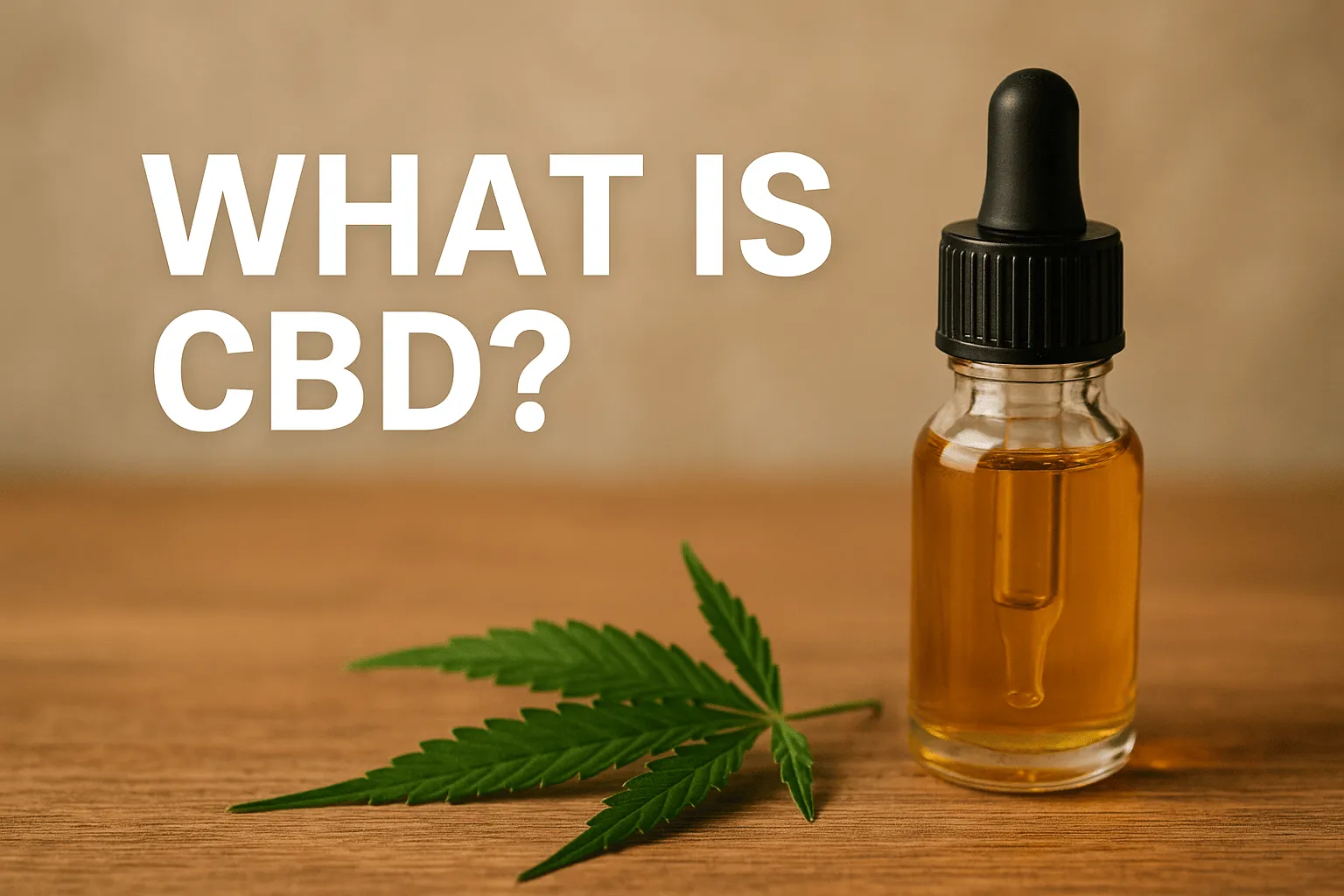
In brief: CBD, or cannabidiol, is a cannabinoid found in cannabis. It is not intoxicating like THC, but it can cause side effects and interact with medicines. The FDA has approved one purified prescription CBD medicine for seizures associated with specific rare conditions. Retail CBD products are not approved to treat anxiety, pain, sleep problems, or other diseases.
Table of Contents
What Does CBD Stand For?
CBD stands for cannabidiol, one of many cannabinoids produced by Cannabis sativa. It can come from plants legally classified as hemp or from other cannabis varieties. The molecule is the same, but its source and the finished product can affect its legal status.
CBD is often described as “non-psychoactive,” though non-intoxicating is more precise. It does not produce the characteristic THC high, but it can affect alertness, mood, liver function, and how other medicines work.
CBD vs THC
| Question | CBD | THC |
|---|---|---|
| Intoxicating high | Not typically | Yes |
| Possible impairment | Drowsiness or altered alertness | Coordination, memory, judgment, and reaction-time impairment |
| Drug-test risk | Possible through THC content or mislabeling | High |
| Legal status | Depends on source, product, THC, and location | More tightly controlled in many jurisdictions |
| Established US prescription use | Purified CBD for specific seizure conditions | Certain synthetic THC-related medicines have approved uses |
Full-spectrum CBD products may contain THC. Broad-spectrum and isolate labels can reduce uncertainty, but batch testing is needed to check what a product contains. See the full CBD vs THC comparison.
How CBD Works in the Body
CBD interacts with several biological pathways, including the endocannabinoid system. This system includes signaling molecules, receptors, and enzymes involved in pain processing, appetite, memory, stress responses, and immune activity.
CBD does not act on cannabinoid receptors in the same way THC does. Researchers are also studying its effects on serotonin, ion channels, drug-metabolism enzymes, and other targets. These mechanisms can help shape research questions, but they do not prove a clinical benefit or establish a retail dose.
What Is CBD Proven to Treat?
FDA-Approved Use
The FDA has approved one purified prescription CBD medicine for seizures associated with Lennox-Gastaut syndrome, Dravet syndrome, and tuberous sclerosis complex in eligible patients. The approved product has controlled manufacturing, prescribing information, dosing, contraindications, and monitoring.
Other Uses Remain Under Study
Researchers study CBD and other cannabinoids for anxiety, pain, sleep, substance-use disorders, and other conditions. Evidence beyond the approved seizure indications is often limited by small studies, mixed cannabinoid products, different doses, short follow-up, or findings that may not apply to retail products.
The NCCIH describes evidence for many cannabis and cannabinoid uses as early, limited, or too uncertain for firm conclusions. A promising mechanism or preliminary study does not prove that a CBD oil or gummy treats a disease.
For a closer look at one example, see CBD for anxiety.
Common CBD Product Forms
| Form | How it is used | Main consideration |
|---|---|---|
| CBD oil | Swallowed or held in the mouth according to the label | Concentration, measurement, and variable absorption |
| CBD gummies | Swallowed | Delayed effects and accidental-ingestion risk |
| Capsules | Swallowed | Fixed labeled amount and delayed absorption |
| CBD vape | Inhaled aerosol | Lung exposure and uncertain per-puff amount |
| Topicals | Applied to skin | Local application does not establish systemic benefit |
Terms such as tincture, edible, topical, isolate, and full-spectrum describe product features, not effectiveness.
Full-Spectrum, Broad-Spectrum, and Isolate
- Full-spectrum: Intended to retain CBD, other hemp compounds, and some THC.
- Broad-spectrum: Intended to retain multiple compounds while removing or reducing THC.
- CBD isolate: Intended to contain CBD without other cannabinoids.
These labels are not always used consistently. Check a batch-specific Certificate of Analysis (COA), including the THC result and detection limit.
CBD Dosage
There is no universal evidence-based dose for nonprescription CBD. Body weight or symptom severity alone cannot determine appropriate exposure, and research doses should not be copied for self-treatment.
You can still check product labels mathematically: divide total CBD by the bottle volume to find oil concentration. Gummies and capsules should list CBD per piece. The CBD dosage guide covers label calculations and explains why fixed, condition-based charts can mislead.
Side Effects and Drug Interactions
Regulators identify several potential risks of CBD:
- Drowsiness or changes in alertness
- Diarrhea and appetite changes
- Irritability or other mood changes
- Liver injury
- Interactions that change how medicines work
Alcohol and sedating drugs can increase drowsiness. Some risks, including liver effects or changes in medicine levels, may occur before symptoms are obvious.
If you take medicines, have liver disease, are pregnant or breastfeeding, or are considering CBD for a child, speak with a clinician or pharmacist. See CBD side effects and interactions for more detail.
Product Quality and Label Accuracy
Nonprescription CBD products may contain more or less CBD than the label states, unexpected THC, or contaminants. Check:
- CBD per mL, capsule, gummy, or application
- Whether the batch number matches an independent COA
- Measured CBD and THC
- Relevant contaminant panels
- Complete ingredients and route of use
- Manufacturer identity and lawful sales channel
- Whether the product makes unapproved disease-treatment claims
Use the CBD product quality checklist when comparing potency or price.
Is CBD Legal?
CBD’s legal status varies by location. In the United States, the federal hemp definition does not override FDA rules for finished products or state law. The European Union applies novel-food rules to CBD extracts used in food, the United Kingdom has its own regulated-product process, and Canada regulates CBD under the Cannabis Act.
Product type, THC content, seller, claims, age, and travel can all affect what rules apply. See Is CBD Legal? and check current official guidance for the relevant location.
Common CBD Myths
| Claim | More accurate explanation |
|---|---|
| “CBD is proven for many conditions.” | One purified prescription CBD medicine has approved seizure uses; most retail claims remain unproven. |
| “CBD cannot affect a drug test.” | THC in full-spectrum, contaminated, or mislabeled products can create a positive result. |
| “Hemp-derived means legal everywhere.” | Finished-product, food, drug, state, national, and border rules still apply. |
| “Natural means safe.” | CBD can cause liver effects, drowsiness, and drug interactions. |
| “A COA proves a product works.” | A COA can report contents and contaminants; it does not establish clinical benefit. |
Frequently Asked Questions
Does CBD get you high?
CBD is not intoxicating like THC. A product containing disclosed or unexpected THC may still cause effects.
What is CBD used for?
A purified prescription CBD medicine is approved for seizures associated with specific rare conditions. Retail CBD is marketed for many other purposes, but those products and claims are not FDA-approved treatments.
Can CBD interact with medicine?
Yes. CBD can affect drug-metabolism pathways and may raise or lower medicine levels. Ask a clinician or pharmacist to review the specific medicines you take.
Is CBD safe to use every day?
The FDA identifies sustained daily use as an area with important unanswered safety questions. Risk depends on exposure, product, medicines, and health status.
Sources
- FDA: What to know about products containing CBD
- FDA: Regulation of cannabis and cannabis-derived products
- NCCIH: Cannabis and cannabinoids overview
- Health Canada: Cannabidiol and industrial hemp
CBD is biologically active and deserves careful consideration. Distinguish approved uses from ongoing research, verify the product, and account for medicines, health history, and legal context.