
Appearance
CBD Side Effects, Interactions and Safety
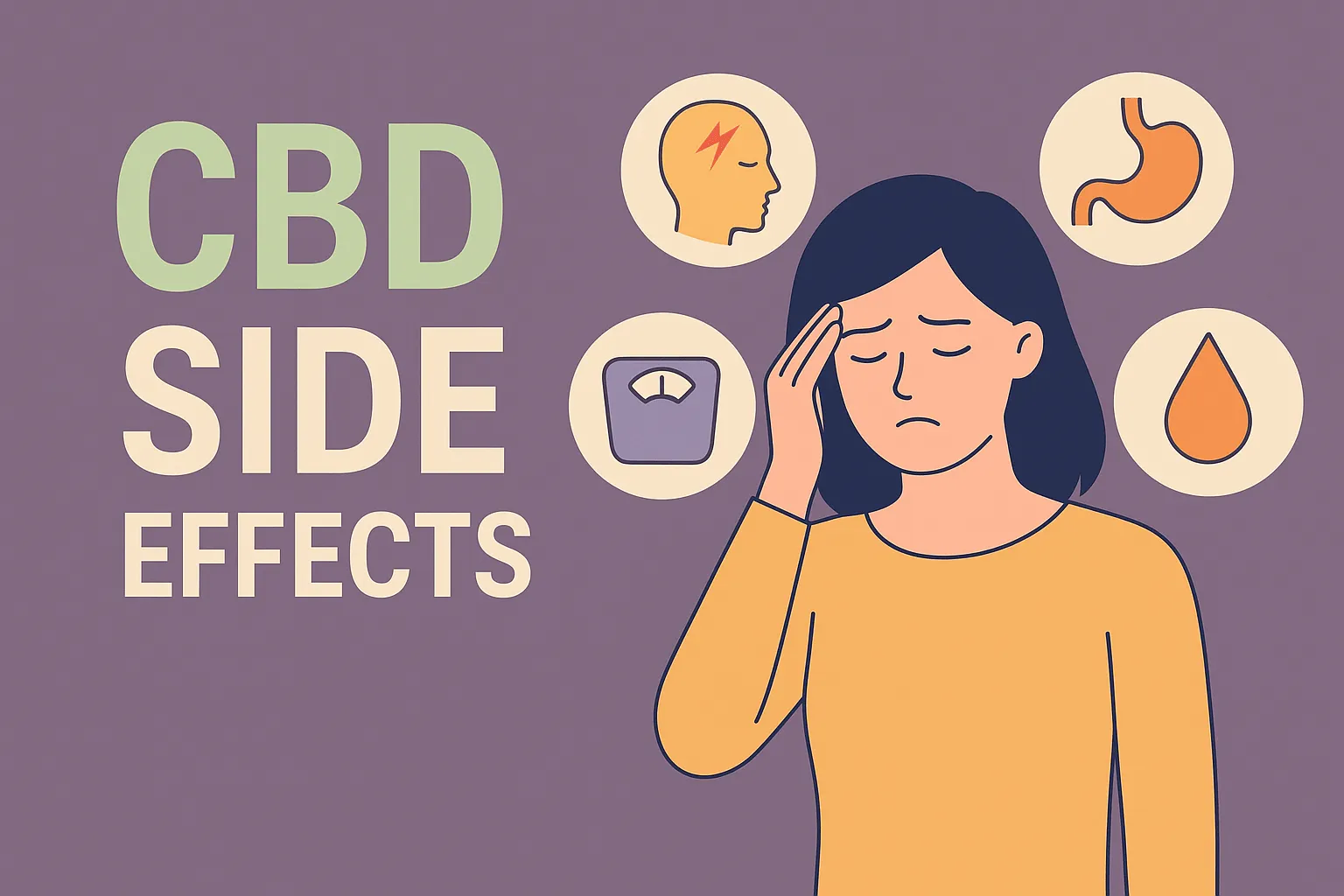
CBD can cause side effects, affect how medicines work, and pose risks that may not be obvious right away. Product contamination and inaccurate labels add to the uncertainty around nonprescription CBD.
The FDA identifies liver injury, drug interactions, drowsiness, gastrointestinal symptoms, mood changes, and unanswered questions about long-term daily use as concerns consumers should understand.
Commonly Reported CBD Side Effects
Effects observed in research or identified by regulators include:
- Drowsiness, sleepiness, or reduced alertness
- Diarrhea or other gastrointestinal symptoms
- Reduced appetite
- Irritability, agitation, or other mood changes
- Abnormal liver tests or liver injury
The frequency and severity of these effects can vary with dose, formulation, other medicines, and health status. Findings from a purified prescription product cannot predict the exact risk of every retail oil, gummy, capsule, or vape.
A symptom may not be caused by CBD alone. THC, carrier oils, flavorings, added herbs, melatonin, contaminants, or an underlying condition may also contribute.
Liver Effects
CBD can affect the liver, and injury may develop before symptoms appear. Risk may be higher with greater exposure, liver disease, or medicines that also affect the liver.
If you have liver disease, take multiple medicines, or are considering sustained CBD use, ask a clinician whether liver tests or avoidance are appropriate. Seek medical advice for concerning symptoms, including yellowing of the skin or eyes, dark urine, severe fatigue, persistent nausea, or upper abdominal pain.
Drug Interactions
CBD can affect drug-metabolizing enzymes and transport pathways, potentially raising or lowering the concentration of another medicine and changing its effects or side effects.
Potentially important categories include:
- Antiseizure medicines
- Blood thinners
- Immunosuppressants
- Some antidepressants and anti-anxiety medicines
- Heart or blood-pressure medicines
- Sedatives and sleep medicines
This is not a complete list. A “grapefruit warning” may be a reason to ask about an interaction, but it does not replace a pharmacist’s review of your specific medicine.
Alcohol, Sedatives, and Driving
The FDA warns that combining CBD with alcohol or drugs that slow brain activity can increase sedation and drowsiness, raising the risk of falls, impaired driving, and other injuries.
Avoid driving, operating machinery, or doing safety-sensitive work until you know how a particular product affects your alertness. A “THC-free” label does not eliminate the risk of CBD-related drowsiness.
Pregnancy, Breastfeeding, and Children
The FDA strongly advises against using CBD, THC, or cannabis during pregnancy or breastfeeding because of potential risks and major evidence gaps. Children should not be given retail CBD without qualified medical supervision.
Keep gummies, oils, capsules, and vape liquids locked away from children and pets. Products that look like candy pose a particular risk of accidental ingestion.
How Product Type Changes Risk
| Product | Added consideration |
|---|---|
| CBD oil | Carrier ingredients, concentration, and measurement accuracy |
| CBD gummies | Delayed effects, added ingredients, and accidental ingestion |
| Capsules | Fixed serving size and delayed absorption |
| CBD vape | Lung, aerosol, device, and uncertain per-puff exposure |
| Full-spectrum products | THC effects, legal issues, and drug-testing risk |
Product testing can identify some contaminants and label errors, but it cannot make CBD pharmacologically risk-free.
Reducing Avoidable Risk
Before using a nonprescription CBD product:
- Ask a clinician or pharmacist to review your medicines and health conditions.
- Check that the product is lawfully sold, has a complete label, and comes with a batch-matched independent COA.
- Avoid unapproved disease-treatment claims and products with unknown ingredients.
- Don’t combine CBD with alcohol or sedatives without professional advice.
- Record the product, labeled amount, timing, and any adverse effects.
- Don’t keep increasing exposure just because an effect is delayed or absent.
There is no universal starting dose for retail CBD. Use the CBD dosage guide for label calculations and limitations, not as a treatment recommendation.
When to Stop or Seek Help
Stop using CBD and contact a healthcare professional if you experience persistent drowsiness, gastrointestinal symptoms, mood changes, or another unexpected effect. Seek urgent care for trouble breathing, severe confusion, loss of consciousness, signs of a serious allergic reaction, or other severe symptoms.
In the United States, consumers and health professionals can report serious problems through FDA MedWatch. A poison-control service can advise on accidental ingestion or an unexpectedly large exposure.
Sources
- FDA: What to know about products containing CBD
- NCCIH: Cannabis and cannabinoids overview
- FDA: Why some medicines and driving do not mix
- FDA: Using cannabis, including CBD, when pregnant or breastfeeding
For foundational context, read What Is CBD? or compare CBD with THC.